


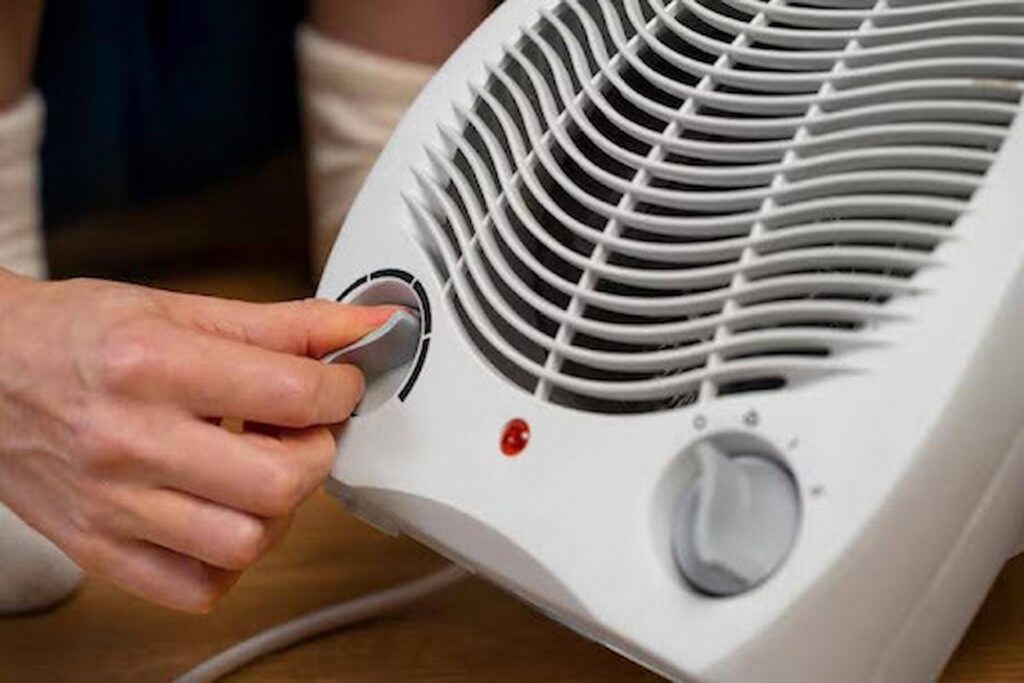
Heating choices shape comfort, efficiency, and control. With energy costs rising and sustainability in focus, electric radiators are becoming a popular alternative to traditional heating systems. From how they distribute warmth to their impact on running costs and daily comfort, understanding the key differences between electric and conventional options can help you make smarter choices for modern homes and buildings.
Heating is no longer just about warming a space—it is about control, efficiency, and adaptability. As homes and workplaces move away from rigid, fuel-dependent systems, electric heating has become a serious alternative. Modern solutions, including coloured electric radiators, highlight how far electric technology has evolved, offering precise heat delivery without the complexity of traditional systems.
Understanding how electric radiators work compared to conventional central heating helps clarify where each system excels, where limitations exist, and how informed choices can improve comfort while managing energy use more effectively.
How Traditional Heating Systems Operate
Traditional heating systems are typically based on a central heat source that distributes warmth throughout a building.
-
Central Heat Generation
Most conventional systems rely on a boiler powered by gas, oil, or another fuel. This boiler heats water, which is then circulated through pipework to radiators or underfloor loops.
-
Heat Distribution Process
Once heated water reaches radiators, warmth is transferred into rooms through convection and radiation. The cooled water then returns to the boiler to be reheated, creating a continuous loop.
-
Core Characteristics of Traditional Heating
- Centralised heat production
- Network of pipes, valves, and controls
- Dependence on fuel supply and system balance
- Heat distribution affected by distance from the boiler
While effective for whole-building heating, these systems often lack flexibility at room level and can lose efficiency through distribution losses.
How Electric Radiators Generate Heat
Electric radiators operate on a fundamentally different principle, producing heat directly at the point of use.
Direct Electric Heat Conversion
Electric radiators convert electrical energy into heat using internal heating elements. This heat is then released steadily into the room without relying on circulating fluids or a central heat source.
Independent Room Operation
Each electric radiator functions as a self-contained unit. This allows rooms to be heated independently, without affecting the rest of the building.
Key Features of Electric Radiators
- No boiler or pipework required
- Immediate heat response
- Individual temperature control
- Minimal heat loss between energy input and output
This direct approach simplifies system design and reduces the number of components that can impact performance.
Efficiency: Electric vs Traditional Heating
| Efficiency Aspect | Electric Heating | Traditional Heating Systems |
| Point-of-Use Efficiency | Nearly 100% efficient, with almost all electricity converted directly into usable heat within the room | Lower at the point of use due to combustion losses and heat dissipation |
| Energy Losses | No distribution or pipework losses, as heat is generated locally | Heat losses occur through pipework, radiators, and system cycling |
| System Dependency | Independent operation of each unit ensures consistent efficiency | Efficiency depends on boiler condition, insulation quality, and system balance |
| Predictability | Highly predictable performance across individual rooms | Variable performance influenced by system age and maintenance |
| Overall Efficiency Outcome | High and consistent where heat is needed | Can be efficient but varies significantly by installation and upkeep |
While electric heating delivers very high point-of-use efficiency, overall efficiency outcomes in both systems ultimately depend on how, when, and where heat is required within a property.
Control and Responsiveness
Control is one of the most significant practical differences between electric and traditional heating systems. Electric radiators typically use digital thermostats that maintain room temperatures within narrow, precise ranges, while traditional systems often rely on central controls that affect multiple spaces at the same time. Because electric radiators generate heat directly without the need to warm and circulate water, they respond much more quickly to temperature changes. This allows for room-by-room temperature control, programmable heating schedules, faster heat delivery, and a reduced risk of overheating unused areas. As a result, many property owners upgrading their heating systems consider coloured electric radiators for their ability to combine precise control with consistent performance across different rooms.
Installation and Infrastructure Differences
Installation and infrastructure requirements differ significantly between electric and traditional heating systems, influencing both project complexity and long-term maintenance. Conventional heating systems rely on boilers, flues, extensive pipe networks, and regular system servicing, making installation or modification disruptive and time-intensive. Electric radiators, by contrast, typically require only a suitable electrical connection and secure wall mounting. This simplicity makes them especially well suited to retrofits, home extensions, and targeted heating upgrades. As a result, traditional systems involve higher upfront complexity and ongoing maintenance demands, while electric heating allows for faster installation, minimal structural intervention, and more straightforward long-term upkeep.
Running Costs and Energy Planning
Running costs depend on energy prices, usage patterns, and control strategies.
Usage-Based Cost Management
Electric radiators support selective heating, allowing energy to be used only where needed. Traditional systems often heat multiple areas simultaneously, regardless of occupancy.
Predictability of Consumption
Because electric radiators operate independently, energy use can be planned more precisely. This can support better budgeting and reduced waste when heating demand varies.
Cost Planning Considerations
- Local energy tariffs
- Frequency and duration of heating
- Building insulation levels
- Control and scheduling accuracy
Cost efficiency improves when heating output closely matches actual demand.
Design, Space, and Practical Integration
Heating systems increasingly need to integrate seamlessly with interior design and space planning, particularly in modern properties where both aesthetics and functionality matter. Traditional radiators are often uniform in appearance and positioned according to pipework constraints, which can limit layout options and visual consistency. Electric radiators offer greater flexibility in both placement and design, allowing them to be positioned to suit room layouts rather than fixed pipe routes. This supports more efficient heat distribution while making better use of available space. As a result, electric heating solutions are well suited to contemporary interiors where heating systems must adapt to both function and form.
Conclusion
Electric radiators and traditional heating systems differ fundamentally in how they generate, distribute, and control heat. Traditional systems rely on central boilers and pipe networks, while electric radiators provide direct, room-specific heating with minimal infrastructure. These differences affect efficiency, responsiveness, installation complexity, and energy management. For buildings that benefit from flexible control and targeted heating, electric solutions offer clear advantages. Options such as coloured electric radiators demonstrate how modern electric heating can deliver consistent warmth, precise control, and streamlined system design without the limitations of conventional approaches.