


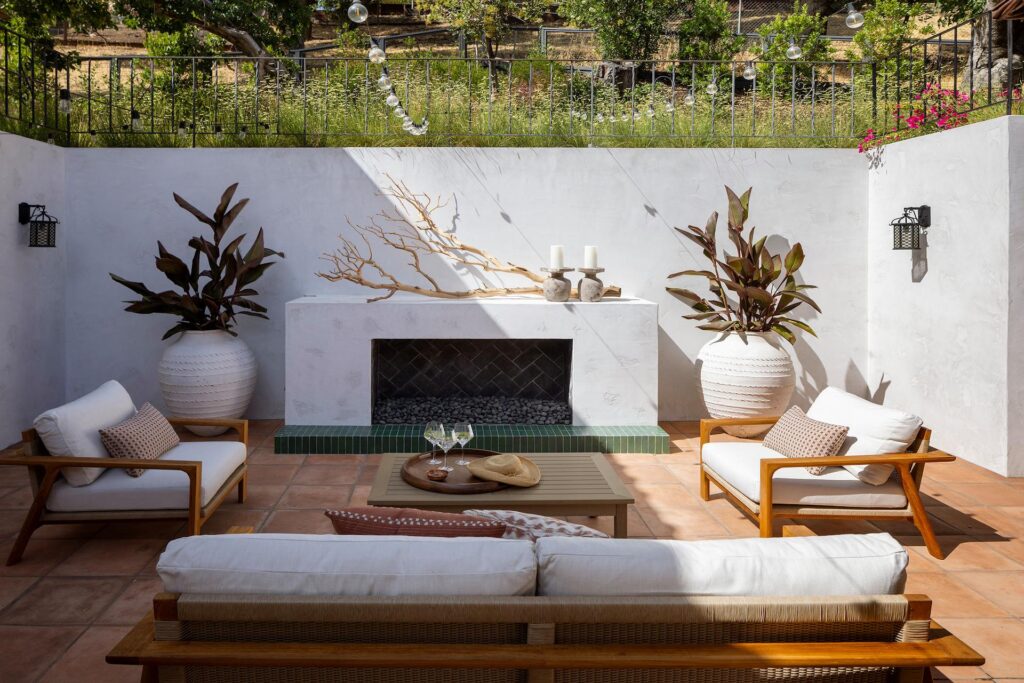
Outdoor design in 2026 is undergoing a noticeable shift as technology, sustainability, and lifestyle expectations reshape how external spaces are planned and used. Gardens, courtyards, and commercial landscapes are no longer static features; they are becoming responsive environments that adapt to weather conditions, user behaviour, and energy efficiency needs. This evolution is driven by innovations in smart irrigation, automated lighting, and digital design tools that bring precision and flexibility to outdoor planning.
Homeowners and developers exploring modern solutions often rely on Landscape Planning Services visit website for insights into how digital systems and contemporary design approaches can improve outdoor functionality while maintaining aesthetic quality. These services help bridge the gap between creative vision and practical implementation, ensuring that outdoor spaces remain usable, efficient, and visually cohesive throughout the year.
The Rise of Intelligent Outdoor Environments
One of the most significant trends shaping outdoor design in 2026 is the integration of intelligent systems into everyday landscapes. Sensors, connected devices, and automation tools are now commonly used to monitor soil conditions, manage irrigation schedules, and control outdoor lighting. These systems reduce manual effort while improving resource efficiency.
Smart outdoor environments also support sustainability goals by minimising water waste and optimising energy usage. Instead of relying on fixed schedules, systems now respond dynamically to environmental data such as rainfall, temperature shifts, and sunlight exposure.
Key Innovations Driving Smart Outdoor Spaces
Modern outdoor environments are being transformed through:
- Sensor-based irrigation systems
- Automated lighting with adaptive controls
- Weather-responsive garden management tools
- Energy-efficient outdoor installations
- Connected mobile landscape applications
- AI-assisted environmental monitoring
These innovations are helping property owners achieve better control over outdoor spaces while reducing long-term maintenance demands.
Digital Tools Shaping Modern Landscape Design
Technology is playing a growing role in how outdoor spaces are planned before construction begins. Digital modelling tools allow designers to simulate layouts, test plant arrangements, and evaluate environmental impact before any physical work is carried out.
For projects requiring precision and strategic planning, many property owners explore the Landscape Planning Consultants and visit website to understand how advanced digital tools can support efficient outdoor development. These consultants help translate ideas into structured, data-informed plans that reduce design errors and improve long-term outcomes.
Benefits of Digital Landscape Planning
Modern planning technology offers several advantages:
- Accurate spatial visualisation before construction
- Improved collaboration between clients and designers
- Reduced material waste through precise planning
- Better understanding of sunlight and drainage patterns
- Faster project adjustments during design stages
Digital tools also support sustainability by helping identify environmentally responsible layouts and plant selections that suit local conditions.
Sustainable Outdoor Systems in 2026
Sustainability continues to influence outdoor design decisions in 2026. Water conservation, energy efficiency, and eco-friendly materials are now central to landscape planning. Smart irrigation systems, for example, are widely used to ensure water is distributed only where and when it is needed.
Solar-powered lighting systems are also gaining popularity, reducing reliance on traditional energy sources. These systems store energy during the day and illuminate outdoor areas at night without increasing electricity costs.
Eco-Friendly Design Priorities
Modern outdoor projects often focus on:
- Water-efficient irrigation systems
- Recycled and low-impact materials
- Native and climate-adapted planting
- Solar-powered outdoor lighting
- Reduced chemical usage in maintenance
These practices help create outdoor environments that are both visually appealing and environmentally responsible.
Smart Lighting Transformations in Outdoor Spaces
Outdoor lighting has evolved significantly, moving beyond basic illumination to become an interactive design feature. Smart lighting systems now allow users to adjust brightness, colour temperature, and timing through mobile applications or automated schedules.
These systems improve safety while also enhancing ambience for social and recreational use. Pathways, seating areas, and architectural features can all be highlighted dynamically depending on time of day or user preference.
Advantages of Intelligent Lighting Systems
Smart lighting provides multiple benefits:
- Improved safety and visibility at night
- Reduced energy consumption through automation
- Flexible lighting scenes for different occasions
- Enhanced architectural and landscape features
- Longer lifespan of energy-efficient LED systems
This flexibility makes lighting an essential part of modern outdoor planning rather than a secondary feature.
Outdoor Living Spaces With Technology Integration
Outdoor areas are increasingly being designed as extensions of indoor living spaces. In 2026, gardens and terraces often include entertainment systems, climate control features, and connected devices that support year-round usability.
Outdoor kitchens, heated seating zones, and weather-adaptive shading systems are becoming more common. These features allow outdoor areas to function as multi-purpose environments suitable for relaxation, work, and social gatherings.
Features of Connected Outdoor Living
Modern outdoor living spaces often include:
- Wireless entertainment systems
- Automated shading and pergolas
- Outdoor heating and cooling systems
- Smart security integration
- Remote-controlled garden features
These additions help transform outdoor areas into functional and adaptable living environments.
The Role of Data in Landscape Management
Data-driven decision-making is becoming a key part of outdoor design. Sensors and monitoring systems collect information about soil health, water usage, and environmental conditions. This data helps property owners and designers make informed decisions that improve efficiency and plant health.
By analysing trends over time, landscape systems can automatically adjust watering schedules, lighting levels, and maintenance routines. This reduces manual intervention and improves overall consistency in outdoor care.
Future Direction of Outdoor Design
Looking ahead, outdoor design will continue to evolve through deeper integration of automation, sustainability, and digital planning. Artificial intelligence will play a larger role in predicting maintenance needs and optimising resource use. At the same time, eco-conscious design will remain a priority, with greater emphasis on biodiversity and climate resilience.
Outdoor spaces will increasingly function as intelligent ecosystems that balance aesthetics with performance. This shift reflects broader changes in how people interact with their environments, prioritising flexibility, efficiency, and long-term environmental responsibility.
Smart Outdoor Outlook
Smart outdoor design in 2026 reflects a powerful combination of technology, sustainability, and creative planning. From automated irrigation and intelligent lighting to digital design tools and connected living spaces, outdoor environments are becoming more responsive and efficient. These innovations support better resource management while enhancing usability and comfort. As trends continue to evolve, professionally guided planning ensures that outdoor spaces remain practical, adaptable, and visually engaging for years ahead.