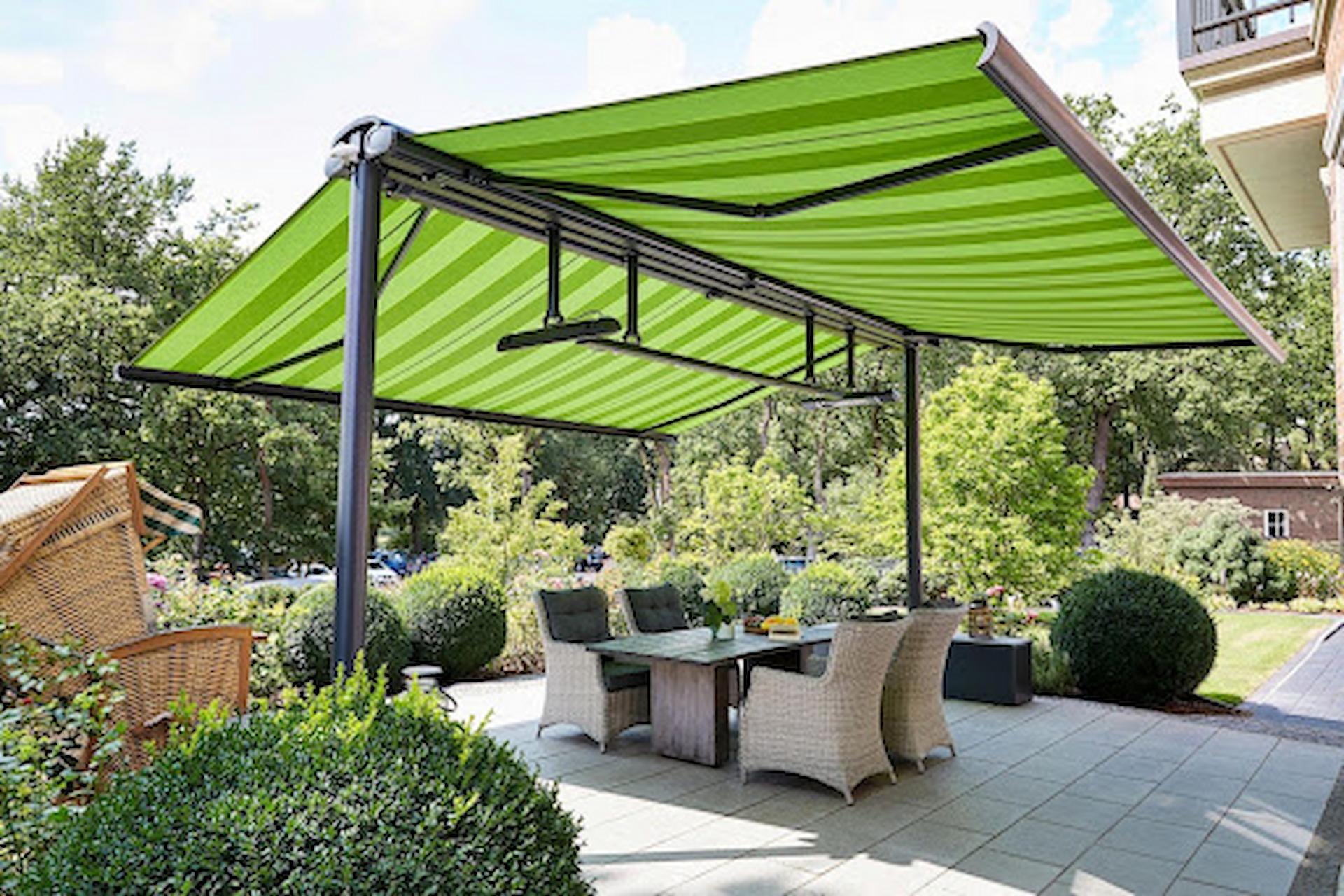
Transforming your garden into a cool, comfortable retreat is easier than you think. Garden awnings provide a stylish and practical solution for creating shaded outdoor areas where you can relax, entertain guests, or dine with family. From boosting comfort on hot days to protecting your furniture from sun damage, awnings are a wise investment. This guide explores their benefits, styles, installation tips, and maintenance practices to help you design the perfect shaded haven.
Outdoor living has become an essential part of modern lifestyles. Whether you own a spacious garden, a compact patio, or a cosy balcony, having a shaded spot can make all the difference. The sun’s warmth is enjoyable, but too much exposure can quickly turn uncomfortable and even harmful. This is where garden awnings step in as an effective solution. They provide shade, style, and versatility, turning open spaces into comfortable retreats suitable for any occasion.
Garden awnings are more than just functional accessories. They enhance outdoor aesthetics, offer protection against unpredictable weather, and increase the usability of your garden throughout the year. For homeowners who love entertaining, relaxing outdoors, or creating a private escape, awnings are a practical investment worth considering.
Why Shade Matters in Outdoor Living
Direct sun exposure can limit how much you use your garden. Summer heat can drive you indoors, while UV rays may damage furniture and flooring. Shade not only keeps spaces cooler but also adds an element of protection for people and property. With the right shading system, you can enjoy fresh air without worrying about harsh sunlight or sudden showers.
The Benefits of Garden Awnings
- Comfortable Outdoor Spaces Awnings reduce heat build-up and create cool zones where you can unwind with family or friends. The temperature difference can be striking, making hot afternoons more bearable.
- UV Protection: Prolonged sun exposure can cause skin damage and fade outdoor furniture. Awnings block harmful rays, ensuring both your health and belongings are safeguarded.
- Stylish Addition: Available in various fabrics, colors, and designs, awnings complement architectural styles. They add charm and personality to gardens, patios, and terraces.
- Versatility: From retractable to freestanding models, there’s an awning to suit every space. You can choose motorised versions for convenience or manual options for simplicity.
- Energy Efficiency: By shading windows and glass doors, awnings reduce indoor temperatures, lowering the need for air conditioning. This translates to energy savings and eco-friendly living.
Types of Garden Awnings
Choosing the right awning depends on your space, lifestyle, and budget. Common options include:
- Retractable Awnings: These offer flexibility. Extend them when you need shade, and retract when you want sunshine. Motorised models add convenience at the push of a button.
- Freestanding Awnings: Ideal for larger gardens, these structures provide shade without being attached to your home. Perfect for covering seating or dining areas.
- Fixed Awnings: Permanent installations that provide year-round shade and protection. They are sturdy and reliable but less flexible.
- Pergola Awnings: Combining structure with fabric, these create stylish outdoor rooms. They can be customised with side screens for added privacy.
Creating Functional Outdoor Living Zones
The beauty of awnings lies in their ability to define and enhance different garden zones. For instance, you can cover a dining area to protect mealtimes from glaring sun or create a shaded lounge for reading and relaxation. Families often use them to provide safe play areas for children, while others prefer them as cosy retreats for evening gatherings.
In the centre of this transformation lies garden awnings, which act as the backbone of shaded design. They bridge comfort with style, ensuring that outdoor living remains enjoyable no matter the season.
Installation Considerations
Before buying an awning, think about:
- Space Measurements: Accurate dimensions are key. Measure the area you want shaded to avoid disappointment.
- Wall Strength: For retractable awnings, ensure your walls can support the structure. Freestanding options are suitable if this is a concern.
- Sun and Wind Direction: Understanding how sunlight hits your garden helps in positioning the awning effectively.
- Budget and Features: Motorised systems, weather sensors, and waterproof fabrics may cost more but offer greater functionality.
Maintenance Tips for Longevity
Awnings are durable but require care to last. Simple steps can extend their lifespan:
- Clean fabric regularly with mild soap and water to prevent stains and mildew.
- Retract during storms or strong winds to avoid damage.
- Inspect mechanisms and frames periodically for wear and tear.
- Store detachable awnings indoors during winter for added protection.
Consistent care ensures that your awning remains an attractive and functional feature for years to come.
Maximising Style with Awnings
Beyond shade, awnings elevate garden design. Coordinating fabric colors with outdoor furniture creates a polished look. Striped patterns bring a traditional touch, while solid neutrals suit modern settings. Adding lighting underneath can extend usability into the night, while side panels enhance privacy. In essence, awnings act as both practical and decorative investments.
Conclusion
Garden awnings are one of the simplest yet most effective ways to transform outdoor spaces. They deliver comfort, protection, and style while encouraging families to enjoy more time outdoors. Whether you want a shaded retreat, a stylish dining zone, or a child-friendly play space, awnings offer versatile solutions. With careful selection, installation, and maintenance, they provide long-term value and make your garden a valid extension of your home.
Investing in an awning is not just about adding shade—it’s about enriching your lifestyle, creating year-round usability, and designing an outdoor sanctuary that reflects your personal taste.
Leave a Reply